Private beta

Personal voice tutor

Learning begins with a question.

A tutor you can talk to. Bring what you're studying, ask anything, interrupt whenever — and keep going until the idea actually lands.

Request access
Method
Questions
Format
Live voice
Goal
Understanding

A lesson in progress

This is what a session sounds like.

Transcript from a live voice lesson. The learner knew the definition. That was the problem.

Cell biology0:00
  1. You

    I know the definition of osmosis. Why does the cell swell?

  2. Suppose

    Let's stop at the word "moves." Which side has more dissolved particles?

  3. You

    The inside, I think? But I still don't see why that pulls water in.

  4. Suppose

    Fair — "pulls" is the part that's misleading. Nothing is pulling. Try this instead: water molecules bounce around at random on both sides. Which side has more room for them to bounce into?

  5. You

    …the side with fewer particles in the way?

  6. Suppose

    Right. So more water happens to wander in than wanders out. No pulling, just traffic. Now — your page says "hypotonic solution." Given that, which way does the water go—

  7. You

    Into the cell. It swells.

  8. Suppose

    That's it. And if I flipped it to hypertonic?

The explanation changed because the first one didn't work.

Why not just ask an assistant?

An assistant answers

Osmosis is the net movement of water across a semipermeable membrane from a region of lower solute concentration to one of higher solute concentration. In a hypotonic environment, water enters the cell, increasing internal volume and causing the cell to swell. This continues until equilibrium is reached or the membrane's capacity is exceeded.

Suppose asks

"Which side has more dissolved particles?"

How it works

Start where you're stuck. Talk your way out.

Suppose works from your own material, so every explanation stays tied to what you're actually studying.

01

Bring what you're learning

Lecture notes, a chapter, a paper — whatever you're working through.

02

Talk it through

Let Suppose guide you, or interrupt whenever you want to question or challenge an idea.

03

Make sure it landed

Ask for another explanation or test what you understood before moving on.

  1. 01

    Your voice is never stored

  2. 02

    Your materials stay yours

  3. 03

    Delete anything, any time

A lasting method

The tools change. Great teaching does not.

One principle in a long tradition of teaching through attention, questions, and explanation.

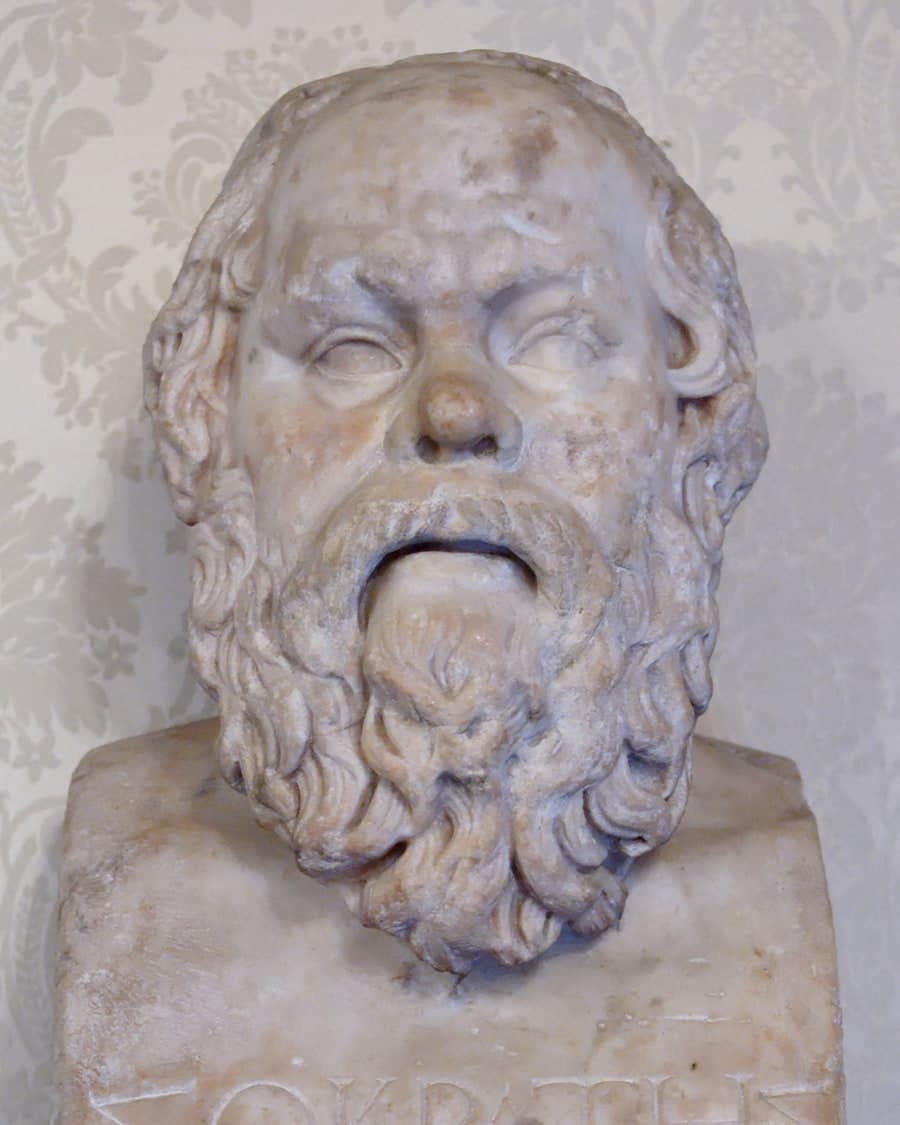
Marble portrait bust of Socrates in the Capitoline Museums, Rome

Socrates

Begin with the right question.

Roman marble bust, Capitoline Museums — photo by Marie-Lan Nguyen, via Wikimedia CommonsPublic domain

Bronze portrait bust of Savitribai Phule at Maharashtra Sadan, New Delhi

Savitribai Phule

Learning should belong to everyone.

Bronze bust, Maharashtra Sadan, New Delhi — photo by Ashish Bhatnagar, cropped, via Wikimedia CommonsCC BY-SA 3.0

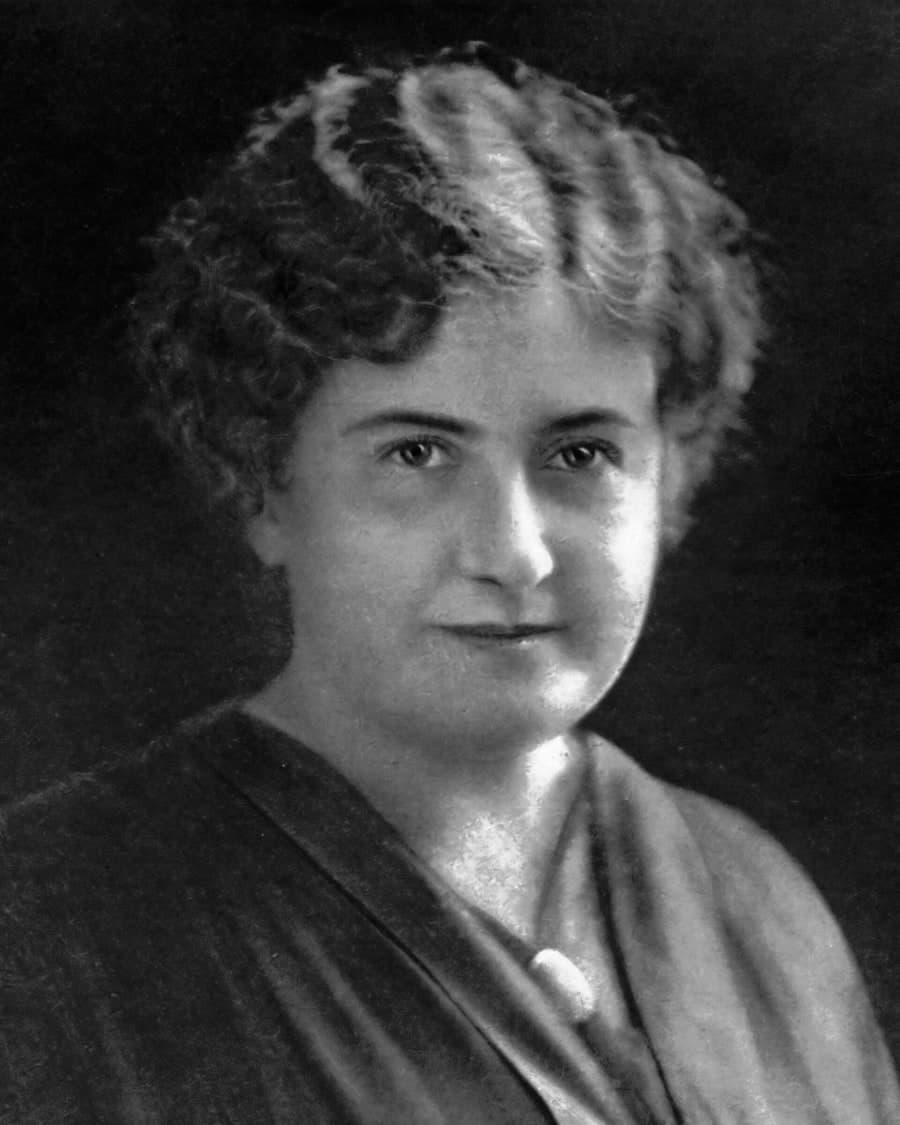
Studio portrait photograph of Maria Montessori

Maria Montessori

Let curiosity lead.

Portrait photograph, Nationaal Archief 119-0489, via Wikimedia CommonsPublic domain

Richard Feynman seated at a blackboard covered in equations, 1959

Richard Feynman

If it is not understood, explain it another way.

The Big T, Caltech yearbook, 1959, via Wikimedia CommonsPublic domain

Before you begin

Questions

What can I learn with Suppose?

Anything you're studying. Suppose works from your own material and adapts to what you already know. During the private beta, lessons start from a PDF — notes, a chapter, a paper. More ways to bring material are coming.

Do you store my voice?

No. Your microphone audio is never stored. Your materials stay private to your account, and you can delete them at any time.

How do I get access?

Request access below. We invite learners in small batches — you'll hear from us within two weeks. If you already have a referral code, use Log in and enter it there.

Request access

Private beta

Request access

Tell us what you're trying to understand. We invite learners in small batches.

Already have a referral code? Log in →

Private beta, referral-code only. Beta lessons start from a PDF. We'll only use these details to review your request.